Metro Atlanta's Biggest Megaprojects in 2026 (Crazy Changes Coming!)
Metro Atlanta’s Biggest Megaprojects in 2026: How Billions in Development Are Reshaping Where People Live
Billions of dollars in new development are actively reshaping Northeast Metro Atlanta—and the impact is already showing up in home prices, traffic patterns, and where buyers are choosing to live.
Some of these projects are pushing values up faster than many buyers realize. Others are quietly creating infrastructure strain that people don’t fully experience until after they move in.
If you haven’t driven through areas like North Forsyth, Johns Creek, or Braselton recently, there’s a good chance parts of them feel unrecognizable heading into 2026. These aren’t just new restaurants or shopping centers. They’re full-scale, mixed-use developments that influence commute times, lifestyle expectations, and long-term price floors for surrounding neighborhoods.
Metro Atlanta isn’t just growing—it’s reorganizing itself around large, mixed-use town centers.
What most people miss:
-
These projects often set new minimum price points nearby
-
Infrastructure usually lags behind development
-
Some areas benefit immediately, others only long-term
If you’re considering a move to North Georgia, there’s a strong chance one of these megaprojects will directly influence where you end up living.
Coal Mountain Town Center (North Forsyth): A New Downtown Is Finally Taking Shape
Local Data Point:
As of mid-2026, Coal Mountain Town Center in North Forsyth is delivering its first phase, marking one of the largest lifestyle shifts the area has seen in decades.
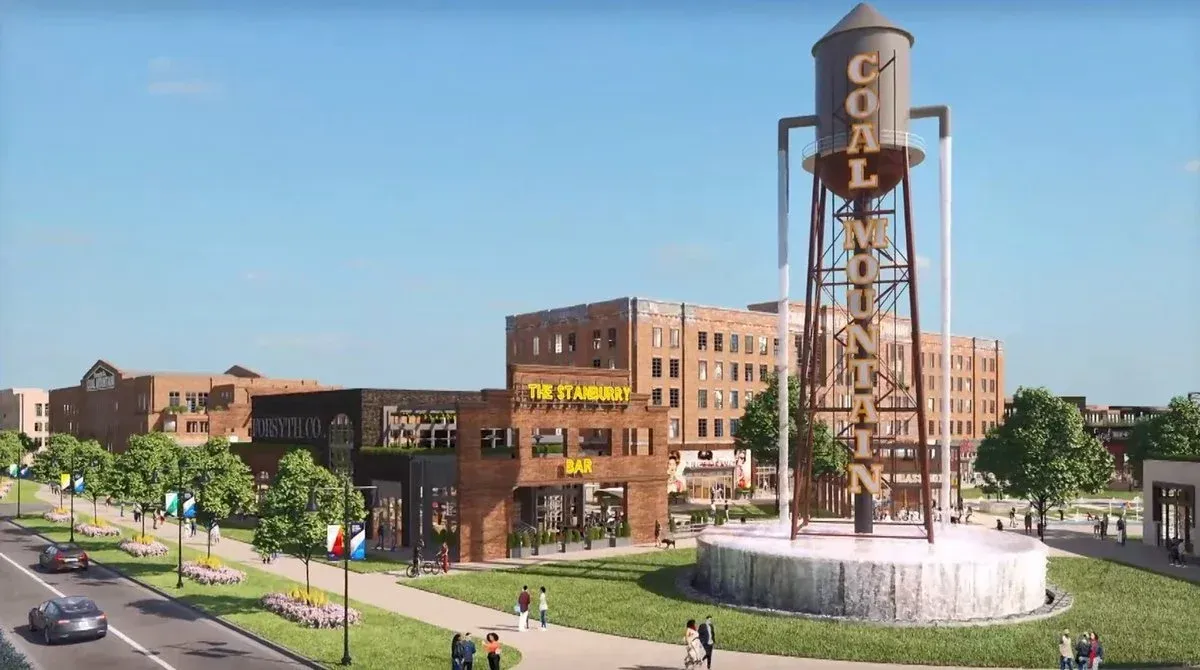
Coal Mountain Town Center is a 140-acre mixed-use development that’s effectively creating a brand-new downtown for North Forsyth. Phase one is scheduled to open in summer 2026 and includes a 47,000-square-foot retail plaza with a heavy emphasis on food and beverage.
Confirmed tenants include Wingstop, Bar 3, Smoothie King, and The Bagel Hole—but retail is only part of the story.
Toll Brothers is anchoring the residential side with The Crossing at Coal Mountain, a luxury community of more than 400 homes. When a builder like Toll Brothers enters a market at this scale, it establishes a price floor. Starting prices in the $700s and $800s are becoming the new normal, and affordable options in North Forsyth are disappearing quickly.
The Coal Mountain Connector Road is already open to help absorb traffic, but daily life here is changing fast. What was once considered a quieter, rural pocket of Forsyth County now feels like an emerging urban node.
Who this impacts most: Buyers looking for long-term appreciation, but who need to be comfortable with rising prices and increased traffic.
Medley at Johns Creek: Turning Office Space Into a True Town Center
Local Data Point:
Medley in Johns Creek is scheduled for an October 2026 opening and represents one of North Fulton’s most significant redevelopment projects.
Johns Creek has long been criticized for lacking a true downtown. Medley changes that.
Built on the former State Farm campus, this 43-acre mixed-use project repurposes existing land instead of clearing new acreage. Plans include approximately 900 luxury residences, a 25,000-square-foot central plaza, and a strong lineup of high-end restaurants and retailers.
Announced tenants include Little Rey, Fadó Irish Pub, Five Daughters Bakery, and Lily Sushi Bar. Combined with major employers like Boehringer Ingelheim moving U.S. headquarters nearby, Medley reinforces Johns Creek’s identity as a high-income, lifestyle-oriented market.
This isn’t just a lifestyle upgrade—it’s an economic shift. But buyers should also be aware that the Johns Creek Parkway and McGinnis Ferry Road intersection is quickly becoming one of the busiest traffic points in North Fulton.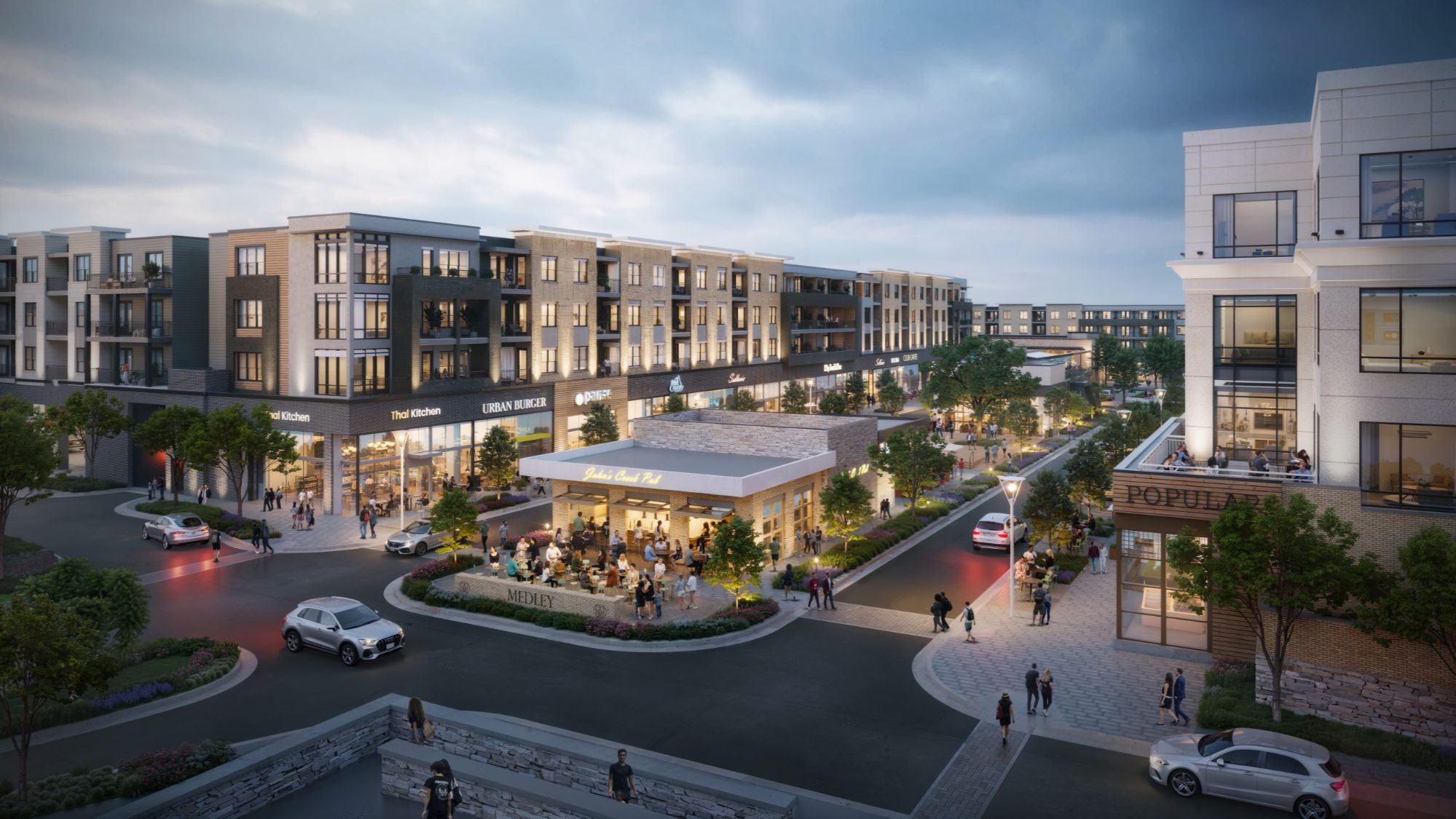
Who this impacts most: Buyers prioritizing walkability, dining, and long-term desirability—at a higher price point.
Braselton’s Dual Megaprojects: Revitalization Meets Congestion Risk
Braselton is one of the fastest-changing areas in Northeast Metro Atlanta, and what makes it unique is that two massive live-work-play developments are rising almost directly across from each other along the Highway 211 corridor.
Revival (500 acres) is planned as a historic-style town center with over 100,000 square feet of retail. Adjacent to it is Arcadia 347, adding roughly 1,300 residential units and nearly 800,000 square feet of commercial space.
The catalyst here is proximity to Northeast Georgia Medical Center, located directly across the street. One major signal of Braselton’s upward trajectory is the tentative plan for a Sprouts grocery store opening in late 2026—a brand that typically targets higher-income markets.
The downside is traffic. Highway 211 and Highway 347 are already strained, and while road-widening projects are underway, congestion is likely to worsen before infrastructure fully catches up.
Who this impacts most: Medical professionals, long-term investors, and buyers comfortable with short-term growing pains.
The Gathering at South Forsyth: Highest Upside—and Highest Risk
Local Data Point:
As of early 2026, Forsyth County has approved $225 million in public funding for The Gathering—but only if an NHL franchise is secured.
The Gathering at South Forsyth is the most talked-about—and most uncertain—project in Georgia right now. Planned as a live-work-play destination anchored by a professional hockey arena, its future hinges on whether Forsyth County secures an NHL team.
The developer is targeting the 2028–2029 season, but a competing arena proposal at North Point Mall in Alpharetta creates an unusual scenario: two potential NHL venues less than 20 minutes apart.
Even without hockey, the broader $3 billion development is moving forward with residential units and an entertainment district. For nearby homeowners, this could significantly boost long-term property values. The concern is traffic, especially along Georgia 400.
While an additional express lane is being added, it will be a toll lane—raising questions about whether infrastructure improvements will truly offset event-level congestion.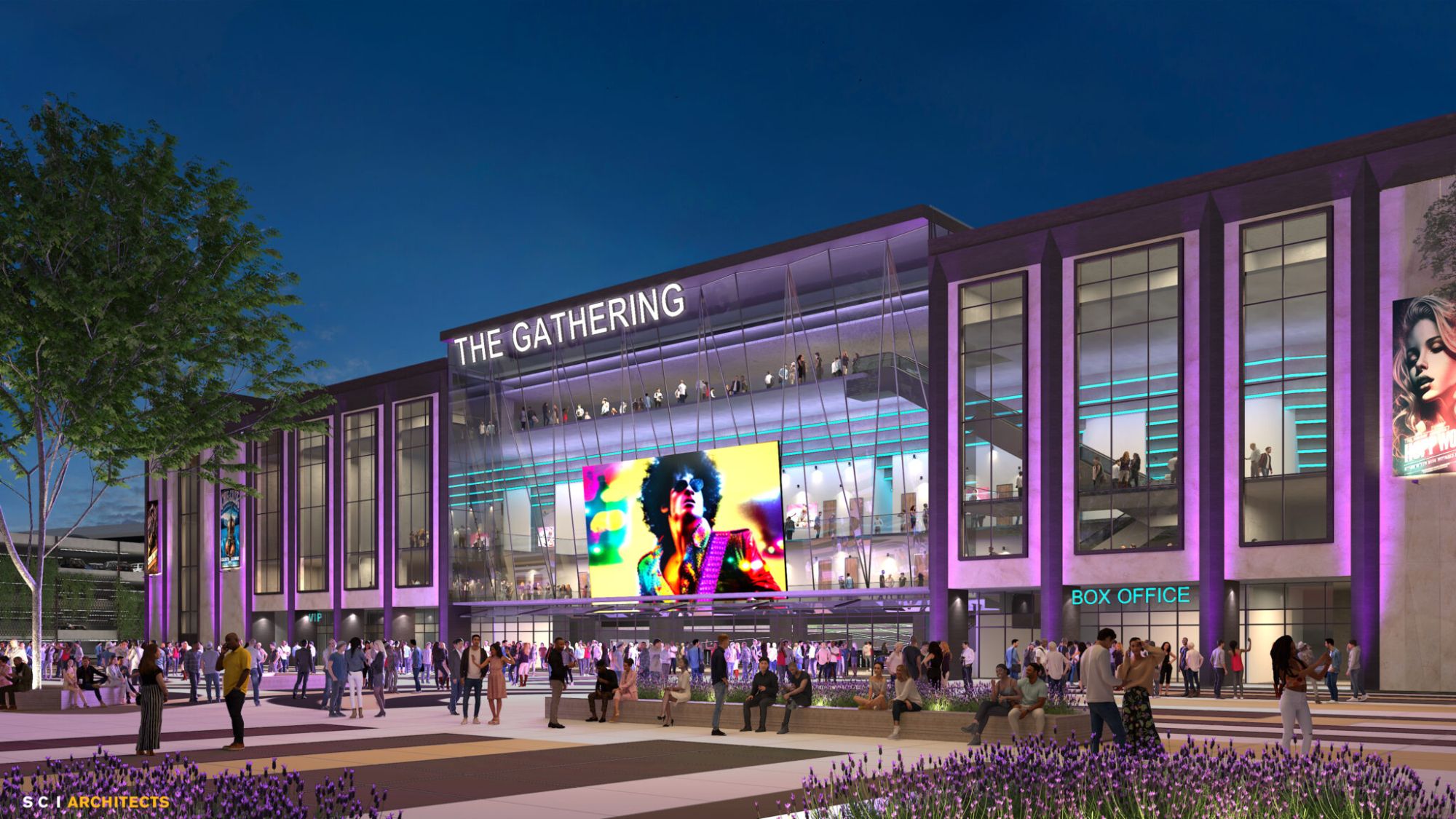
Who this impacts most: Buyers with a long-term horizon who can tolerate uncertainty.
Rowan (Eastern Gwinnett): The Long-Game Economic Play
Rowan is the wildcard that many buyers are still overlooking.
This 2,000-acre innovation hub planned near Dacula and Auburn focuses on life sciences and ag-tech rather than retail or entertainment. In 2026, construction begins on the Rowan Convergence Center, a 10,000-square-foot anchor facility.
Rowan is a 10-to-20-year vision designed to bring tens of thousands of high-paying jobs to Eastern Gwinnett County. This isn’t about instant lifestyle upgrades—it’s about long-term employment density and appreciation potential.
For buyers thinking ahead, areas around Dacula and Auburn deserve serious consideration as Northeast Metro Atlanta evolves into a network of self-sustaining economic centers.
Who this impacts most: Long-term investors and buyers prioritizing job growth over amenities.
The Real Trade-Off Buyers Need to Understand
These megaprojects bring better amenities, stronger job bases, and rising property values—but they also come with higher entry prices and infrastructure stress.
The pattern is consistent:
-
New town centers raise nearby home values
-
Traffic usually worsens before it improves
-
Early buyers absorb disruption; later buyers pay higher prices
The key question isn’t whether these projects will change North Georgia—they already are. The real question is whether you want to be early or late.
Frequently Asked Questions
Are these Metro Atlanta megaprojects already impacting home prices?
Yes. As of 2026, areas near projects like Coal Mountain, Medley, and Braselton’s Highway 211 corridor are seeing higher price floors as new development sets market expectations.
Which project has the highest long-term upside?
Rowan in Eastern Gwinnett and The Gathering at South Forsyth carry the highest long-term upside, though both involve longer timelines and greater uncertainty.
Will traffic get worse before it gets better?
In most cases, yes. As of 2026, infrastructure improvements are underway, but congestion typically increases before road expansions are fully completed.
Are these projects good for relocation buyers?
They can be. Buyers relocating to Georgia often benefit from early entry near emerging town centers, provided they understand the short-term trade-offs.
Is Johns Creek becoming more expensive because of Medley?
Yes. Johns Creek was already a high-demand market, and Medley is reinforcing higher price points rather than expanding affordability.
About the Author
Sarah Maslowski is a licensed real estate agent and lead of Key Point Homes Group, specializing in Northeast Metro Atlanta and relocation-focused buyers. Her work centers on helping clients evaluate how large-scale development, infrastructure changes, and local market dynamics impact real estate decisions.
This article reflects Sarah’s active analysis of major mixed-use developments shaping North Georgia as of 2026.
Categories
- All Blogs (230)
- 55+ Community (7)
- Alpharetta (12)
- Atlanta (23)
- Braselton (3)
- Buford (9)
- Cumming (10)
- Dacula (1)
- Dawsonville (3)
- Duluth (3)
- Florida (6)
- Flowery Branch (4)
- Gainesville (17)
- Georgia (61)
- Grayson (1)
- Home Buyer (2)
- Homeowners (3)
- Hoschton (1)
- Housing Market (4)
- Jefferson (3)
- Johns Creek (5)
- Lake Hartwell (1)
- Lake Lanier (17)
- Lawrenceville (3)
- Loganville (1)
- Metro Atlanta (22)
- Milton (1)
- Monroe (1)
- New Construction (8)
- North Georgia (6)
- Real Estate Market (9)
- Snellville (1)
- Sugar Hill (2)
- Suwanee (6)
- Townhomes vs Houses (1)
- Townhouse (1)
- YouTube Resources for Agents (1)
Recent Posts